Lodges in Bwindi National Park: A Complete Sector-by-Sector Guide for 2026
By Mark Suer — updated July 2026 — based on personal visits in October 2024, January 2026, and May–June 2026
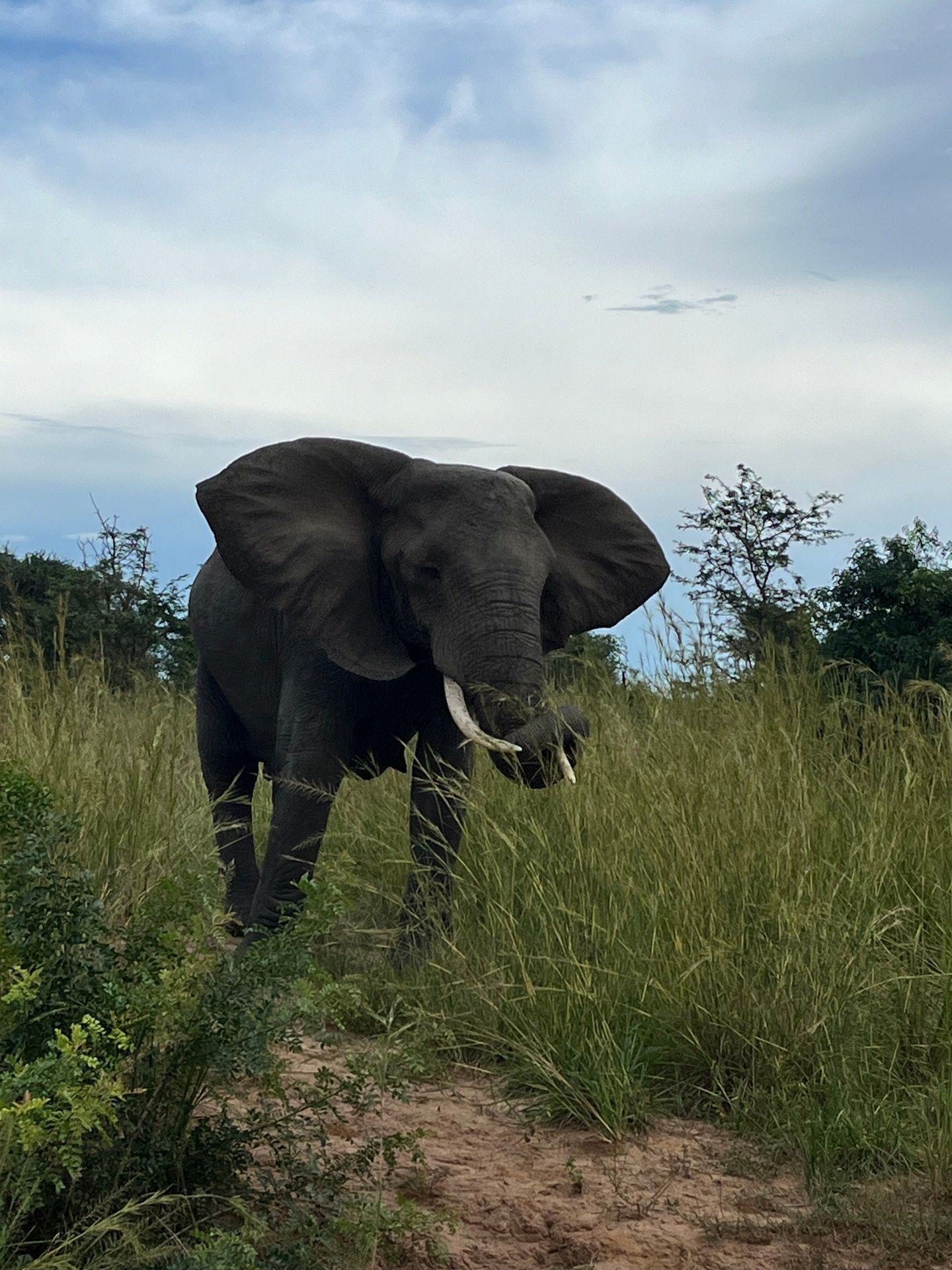
The elephant was standing in the open grassland with the kind of indifference that only a large animal in its own habitat can manage. We were on a game drive in Murchison Falls National Park — three days into a longer Uganda circuit that would eventually bring us south to Bwindi — when the vehicle slowed and the guide pointed left. A bull elephant, with ivory visible above the high grass and a herd visible further back at the tree line. We were in an open safari vehicle, close enough that I could see the dried mud on his flanks. I photographed him from there, GPS coordinates 2.2853, 31.5099, in October 2024.
What stays with me about that encounter is what it establishes about Uganda as a travel destination: the wildlife is present in a way that doesn't require its own announcement. The same quality applies to the gorillas in Bwindi Impenetrable National Park. You find them through hours of climbing through dense forest, and when the guides stop and point, you are already metres from a family that continues its morning routine with minimal adjustment for your presence. The lodges in Bwindi National Park exist to support that encounter — and the quality of your accommodation choice shapes everything that surrounds it.
This guide covers the lodges in Bwindi National Park across all four trekking sectors, with honest assessments of what each offers and what it sacrifices. It then extends to the Crater Lakes region near Fort Portal — the Ndali Lodge, Papaya Lake Lodge, and Crater Safari Lodge — which most Bwindi itineraries include as a natural circuit addition. I have visited the Bwindi area on multiple trips: October 2024, January 2026, May 2026, and June 2026. The notes and photographs here are first-hand and GPS-verified.
The Sector Rule: Why Your Gorilla Permit Determines Your Lodge
The single most important planning principle for lodges in Bwindi National Park surprises many first-time visitors: your gorilla permit determines your lodge, not the other way around. Each permit is issued for a specific trekking sector — Buhoma, Rushaga, Nkuringo, or Ruhija — and the trek departs from that sector's gate at 07:30. Staying in the wrong sector means a long early-morning transfer on unpaved mountain roads that adds two or more hours of fatigue before a physically demanding day. The practical rule: identify your sector, then find accommodation within that sector.
Uganda Wildlife Authority issues a fixed number of permits per day per sector. Buhoma and Rushaga typically hold the most permit slots, which is partly why the largest concentration of lodges — and the most established luxury properties — has developed around those two sectors. Nkuringo is more remote and favoured by travellers who want a quieter experience at the cost of longer access roads. Ruhija has the least developed accommodation infrastructure but a genuinely different character: higher altitude, cooler temperatures, and a birdlife community that draws serious ornithologists specifically to this sector.
Permits must be booked in advance — months ahead for peak season (June–September and December–January), and several weeks ahead even in low season. Lodge availability in Bwindi follows the permit calendar closely. Both elements need to be confirmed in the same sector before you commit to flights. Most travellers book through a Ugandan safari operator who handles the coordination. Independent booking through UWA's online portal is possible but requires careful tracking of sector matches between your permit and your accommodation.
Buhoma Sector Lodges: The Northern Gateway
Buhoma is the oldest and most visited of Bwindi's four sectors. The village sits at the park's northern boundary, and the trekking briefing takes place at the park headquarters compound immediately adjacent. Several lodges are within a ten-minute walk of that briefing point, which means the standard Buhoma morning — wake at 06:00, breakfast, briefing at 07:30, depart — can be completed without any vehicle transfer. That proximity advantage is the most practical single benefit of Buhoma accommodation over properties in the other sectors.
Sanctuary Gorilla Forest Camp
Sanctuary Gorilla Forest Camp is the only accommodation physically inside Bwindi Impenetrable National Park. It operates eight forest tents positioned within the canopy at the park's northern edge — the closest possible accommodation to the Buhoma trekking gate. The physical position inside the park rather than adjacent to it produces a specific atmospheric quality: the sounds of the forest are present from the sleeping tents, and the gap between waking and the start of the trek is smaller than at any other property in the park.
The camp operates under the Sanctuary Retreats brand and sits in the luxury tier. Full-board is standard; the group dynamic at any given time is intimate given the eight-tent capacity. It is consistently among the top-cited Bwindi properties across operator itineraries and published travel comparisons. Current rates are.
Gorilla Bluff Lodge
Gorilla Bluff Lodge sits on elevated ground above the Buhoma valley with canopy views across to the interior of the park. The property's defining feature is its terrace — a covered outdoor space at the highest point of the building, where guests gather before and after treks. During a stay in January 2026, the morning atmosphere on that terrace was one of the more unexpectedly still experiences of the trip: forest birds calling through the mist, the canopy below gradually becoming visible as the light built, the first guides and porters already moving on the path below. The lodge is mid-to-upper range in pricing and represents strong value within the Buhoma sector for travellers who want quality accommodation without the per-night rate of the pure luxury camps.
The walk from Gorilla Bluff Lodge to the trekking briefing point takes a few minutes downhill on a clear path. Current rates are.
Buhoma Lodge and Budget Options
Buhoma Lodge is a well-established mid-range property with a longer track record in the sector than most. It offers bandas and cottages, a restaurant, and community engagement programming that connects guests with the surrounding village economy — an approach embedded in the lodge's history with the local community rather than offered as an optional add-on. For self-sufficient travellers, the Buhoma Community Rest Camp at the budget end of the market is managed by a local community group and offers basic rooms alongside camping space. Both represent different points on the sector's price spectrum; current rates are.
Rushaga, Nkuringo, and Ruhija: The Other Three Sectors
Rushaga Sector
Rushaga is in the southern portion of Bwindi and offers the park's largest concentration of habituated gorilla families available for trekking in a single sector. It is also the primary sector for the Gorilla Habituation Experience — an extended permit that allows up to four hours with a family in the active process of habituation rather than the standard one-hour encounter. That permit is limited to four visitors per day and priced above the standard trek permit; it is the most extended and least mediated human-gorilla encounter the park offers.
Rushaga Gorilla Camp is the most established property in the sector, positioned close to the gate with simple but adequate facilities. The broader southern Bwindi area has seen additional lodge development in recent years, expanding the choice at different price points. Infrastructure in this sector remains less developed than Buhoma, and roads to some properties can be demanding in wet season. Current rates for Rushaga Gorilla Camp and its alternatives are.
Nkuringo Sector
Nkuringo occupies the southwest edge of Bwindi at higher altitude than the other sectors, with ridgelines that look across to the Virunga volcanoes and, on clear days, into the Democratic Republic of Congo. The terrain makes Nkuringo one of the more demanding trekking sectors. The relative remoteness and longer approach from the main Uganda road network keep visitor volumes lower than Buhoma.
Clouds Mountain Gorilla Lodge is the flagship luxury property in the sector, operated in partnership with the African Wildlife Foundation. It sits on a ridge above the forest with panoramic views and a small number of cottages designed to minimise impact on the surrounding land while maximising the visual setting. The AWF relationship shapes the lodge's conservation programming and community engagement; both are substantive rather than presentational. Current room rates are.
Nkuringo Bwindi Gorilla Lodge provides a mid-range alternative in the same sector with a community ownership model and revenue sharing to the surrounding villages. Nkuringo Walking Safaris, based in the area, runs multi-day guided walks connecting Bwindi to Kisoro, Lake Mutanda, and the Virunga volcano region — an unusual offering for travellers who want to move through the landscape on foot rather than by vehicle between the park's boundaries.
Ruhija Sector
Ruhija sits at the eastern edge of Bwindi, above 2,300 metres, and is the least-visited sector with the most limited accommodation. It is cooler and cloudier than the lower sectors, and the forest ecology at this altitude supports a bird community that draws serious birders specifically to this corner of the park. Ruhija Gorilla Safari Lodge is the primary accommodation — rustic timber cottages with no competitor properties nearby. The isolation is the point: travellers who choose Ruhija are not trading off against Buhoma's infrastructure; they are choosing a different experience category. Current rates are.
Lodges in Bwindi National Park: Comparison by Sector
| Lodge | Sector | Tier | Distinguishing feature |
|---|---|---|---|
| Sanctuary Gorilla Forest Camp | Buhoma | Luxury | Only lodge inside the park boundary — 8 forest tents |
| Gorilla Bluff Lodge | Buhoma | Upper mid | Elevated terrace with canopy views; personal atmosphere |
| Buhoma Lodge | Buhoma | Mid-range | Longest track record; community engagement programmes |
| Rushaga Gorilla Camp | Rushaga | Budget–mid | Access to Gorilla Habituation Experience permits |
| Clouds Mountain Gorilla Lodge | Nkuringo | Luxury | AWF partnership; ridge views toward DRC; conservation focus |
| Nkuringo Bwindi Gorilla Lodge | Nkuringo | Mid-range | Community ownership; base for Nkuringo Walking Safaris |
| Ruhija Gorilla Safari Lodge | Ruhija | Budget–mid | Highest altitude; quietest sector; birding focus |
The Crater Lakes Extension: Ndali Lodge, Papaya Lake Lodge, and Crater Safari Lodge
Most itineraries that include lodges in Bwindi National Park also incorporate a segment in the Ndali-Kasenda Crater Lakes region near Fort Portal, three to four hours northwest by road. The area holds over forty volcanic crater lakes set in a landscape of tea plantations, papyrus swamps, and subsistence farming — a visual and atmospheric contrast to the dense forest of Bwindi that many travellers find equally compelling. Three lodges define the accommodation options at these lakes.
Ndali Lodge
Ndali Lodge is the oldest of the three and the property with the most historical presence in the area. It sits on the rim of Lake Nyinambuga and occupies land originally developed as a tea farm with British roots dating to the 1920s. The farmhouse and outbuildings were converted into a lodge, and that origin is still legible in the architecture: the main house has the informal solidity of a working agricultural property — stone walls, polished concrete floors, a terrace that looks out across the crater lake without the careful composition of a purpose-built design feature.
Nyinambuga is one of the larger crater lakes in the cluster, and the quality of light on the water at dawn and at sunset makes the terrace compelling at both ends of the day. Ndali functions best as a place to slow the pace between the physical demands of a gorilla trek and the next activity, rather than as a base for structured programming. Walking trails connect to neighbouring lakes. Current rates are.
Papaya Lake Lodge
Papaya Lake Lodge opened in 2015 on the shore of Lake Lyantonde, operated by a Polish family. The property has a restaurant and a swimming pool, both positioned to use the lake setting. Its relatively recent opening means the facilities are consistently maintained, and the European-managed character shows in the kitchen — guests frequently note food quality as a specific strength of the property.
Lyantonde is smaller than Nyinambuga, and the enclosed quality of the lake gives the terrace a more intimate feeling. Kayaking is available and is the natural complement to the walking routes between crater lakes in the area. Papaya Lake Lodge sits at the mid-to-upper range of pricing for the region. Current rates are.
Crater Safari Lodge
Crater Safari Lodge is an eco-lodge on Lake Nyinabulitwa, opened in 2013 by Crystal Lodges with nine deluxe cottages. Of the three Crater Lakes properties, this is the one where the environmental designation is structural rather than marketing: construction materials, waste management, and land use are all oriented toward long-term lake ecology rather than short-term visitor turnover.
Nyinabulitwa is among the quieter lakes in the cluster, and the lodge's position reflects a deliberate choice to prioritise tranquillity over proximity to the main visitor circuit. Walking, forest birding, and community visits form the activity programme. For travellers whose primary goal at the Crater Lakes is rest and landscape immersion rather than organised activities, Crater Safari Lodge is the most consistent recommendation in this segment. Current rates are.
| Lodge | Lake | Est. | Character | Best for |
|---|---|---|---|---|
| Ndali Lodge | Lake Nyinambuga | 1990s | Historic tea farm; terrace views; romantic atmosphere | Couples, slow stays, historical appeal |
| Papaya Lake Lodge | Lake Lyantonde | 2015 | Polish-run; pool; restaurant focus; newer facilities | Food-focused travellers, families, kayaking |
| Crater Safari Lodge | Lake Nyinabulitwa | 2013 | Eco-focused; 9 cottages; Crystal Lodges; very quiet | Birders, rest stays, environmental priorities |
Building the Itinerary: How Bwindi Lodges Fit into a Uganda Circuit
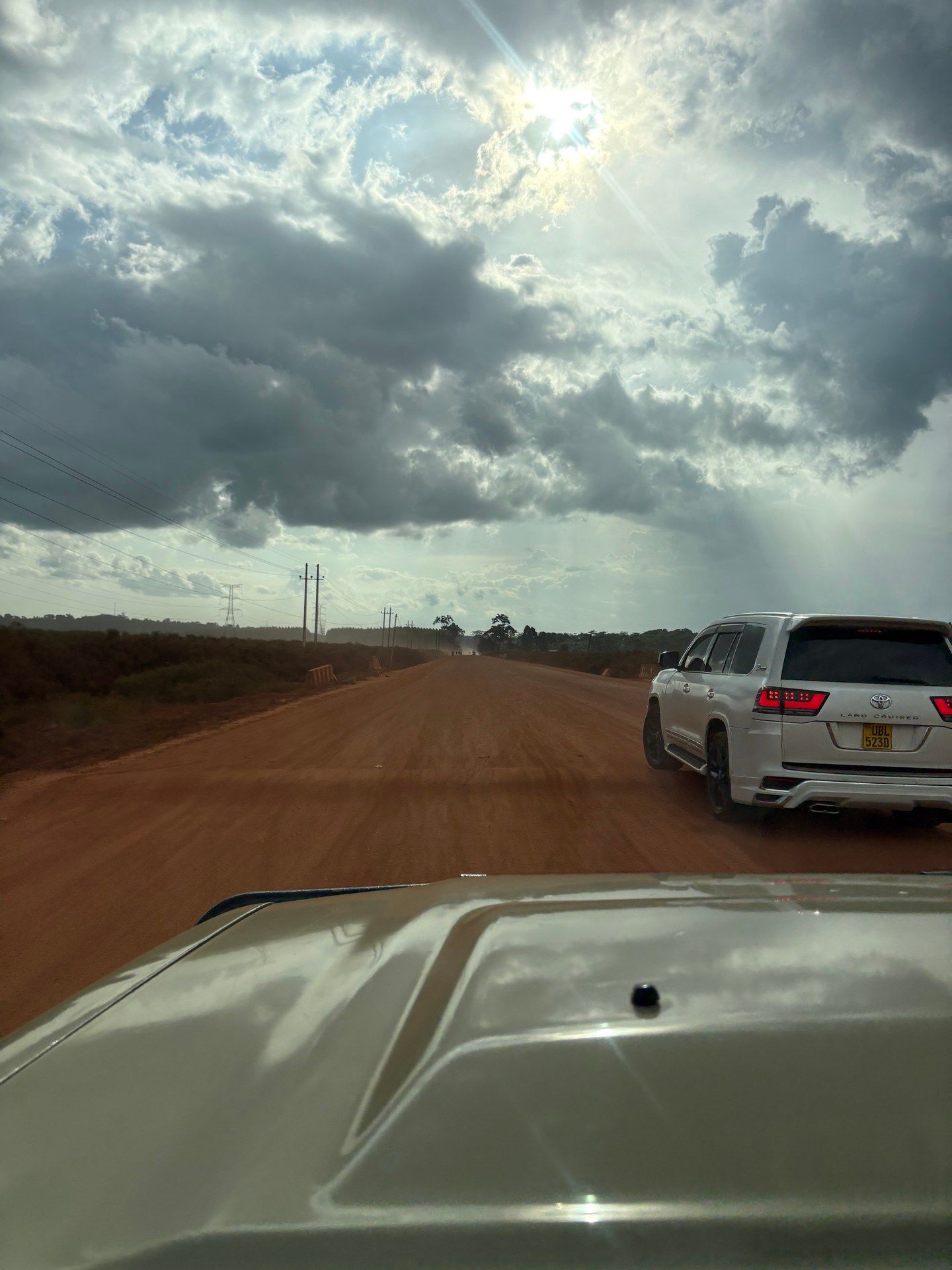
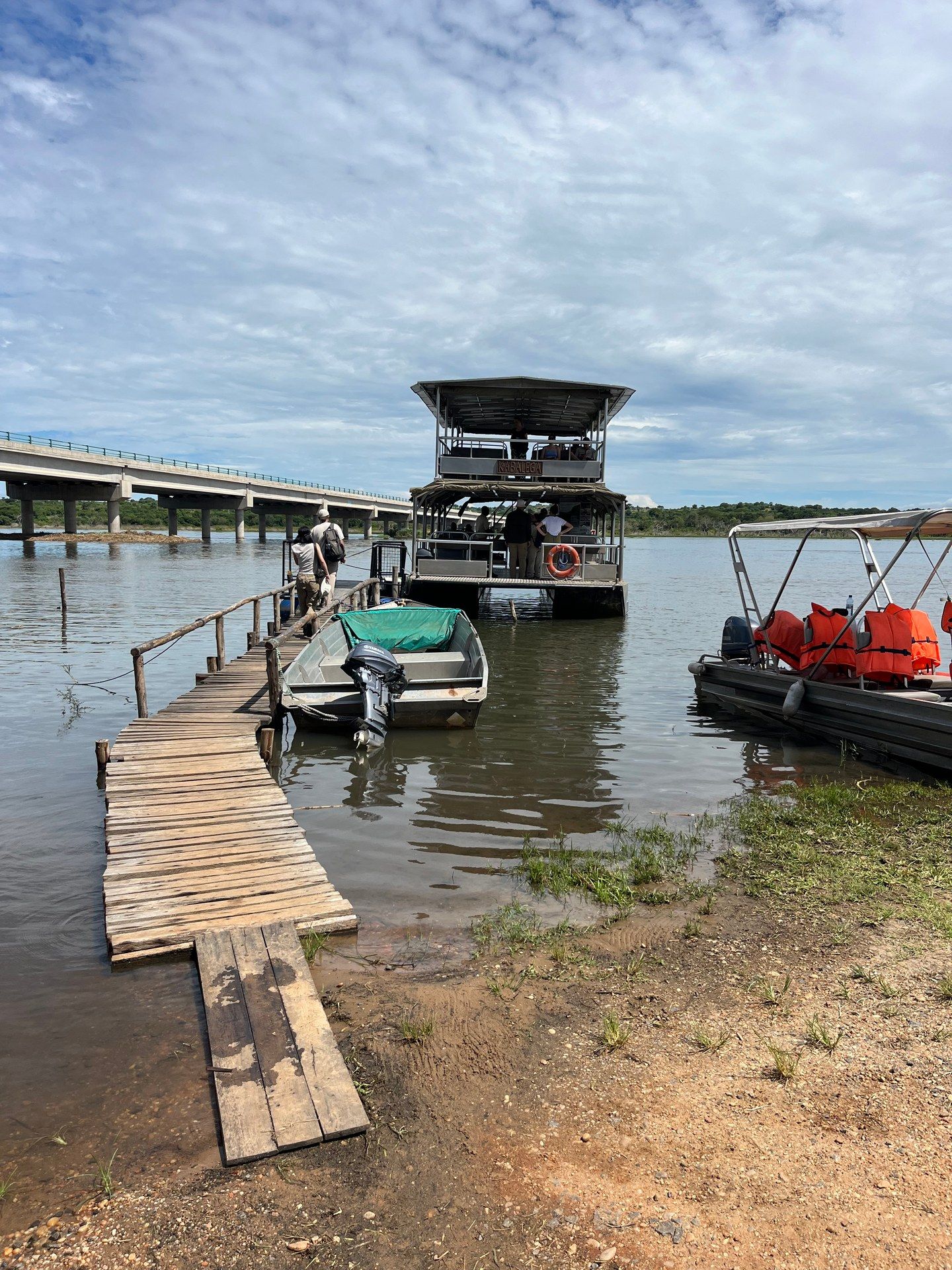
The standard Uganda itinerary for travellers visiting gorilla country runs roughly as follows: arrive Entebbe — transfer north to Murchison Falls National Park for game drives and the Victoria Nile boat safari (three to four nights) — drive south to the Crater Lakes area near Fort Portal (two to three nights at Ndali, Papaya, or Crater Safari Lodge) — continue to Kibale Forest for chimpanzee tracking (one to two nights) — drive southwest to the lodges in Bwindi National Park for the gorilla trek (two to three nights in whichever sector matches your permit) — return to Entebbe via Queen Elizabeth National Park.
The road from the Crater Lakes area south to Bwindi passes through Kasese and the Queen Elizabeth Park corridor — a scenic drive through savanna and wetland. The road from Fort Portal south was undergoing improvement works along sections of the Butiru route as of January 2026, adding time to the transfer in places. From Buhoma to Entebbe, the distance is approximately 450 km and takes eight to ten hours by road in normal conditions. Charter flights from Kihihi airstrip (near Buhoma) or Kisoro (for the southern sectors) reduce that to under an hour and are worth serious consideration for itineraries of fewer than twelve days.
The minimum functional itinerary for the full circuit — one night before the Bwindi trek and one night after — is ten days total. Most experienced Uganda operators recommend fourteen days as the point at which the circuit stops feeling rushed. The additional days typically find their way into Bwindi itself: a second permit for travellers who want to trek a second gorilla family, forest walks, community visits to the Nicholas Kindergarten or the village market, or the afternoon activity that the morning trek leaves too tired to plan.
Lodge Recommendation by Priority
- First visit, short itinerary (2 nights): Buhoma sector — Sanctuary Gorilla Forest Camp or Gorilla Bluff Lodge. Proximity to the briefing gate eliminates the transfer variable on trek morning.
- Returning visitor or extended stay (3+ nights): Consider Nkuringo for the visual contrast of the high ridge landscape and the AWF conservation experience at Clouds Mountain Gorilla Lodge.
- Budget-focused: Rushaga Gorilla Camp with a Habituation Experience permit — the extended four-hour encounter adds value that the standard permit cannot provide at any price point.
- Adding the Crater Lakes: Two nights minimum at one property. For solitude: Crater Safari Lodge. For comfort and a better restaurant: Papaya Lake Lodge. For history: Ndali Lodge.
Seasons and Conditions at Bwindi and the Crater Lakes
Bwindi sits near the equator at an altitude that keeps temperatures moderate year-round: typically 16°C to 24°C at Buhoma, cooler at Ruhija. The park receives rain in every month, with two principal wet seasons — March to May and September to November — and two drier periods — December to February and June to August. Peak season pricing and highest permit demand fall in June through September and December through January.
Rain does not stop gorilla trekking. Uganda Wildlife Authority does not pause the programme for weather; gorilla families continue their normal movement regardless of rainfall. Wet season changes the experience rather than cancelling it: trails become muddier, steep descents more demanding, photography affected by low canopy light. Gaiters and walking poles are worth packing for any Bwindi trek; in the rainy season they are not optional. The forest itself is more visually dense and alive in the rains — mist moving through the canopy at 1,800 metres is one of the more distinctive things I have experienced in the park.
For the Crater Lakes, the same seasonal pattern applies, with the landscape at its most saturated and vivid during and just after the rains. The shoulder months — October and November, and April — offer meaningfully lower lodge rates across both Bwindi and the Crater Lakes, quieter parks, and available permits with shorter lead times. For travellers with flexibility in their timing, these windows represent the most value without material sacrifice in experience quality.